What are functional mushrooms? A beginner's guide

Functional mushrooms are fungi people take for their natural compounds as much as for their flavour. The six you will meet most often in UK shops are Lion's Mane, Reishi, Cordyceps, Chaga, Maitake and Tremella, with shiitake and turkey tail close behind. They contain no psilocybin, they are sold as food rather than medicine, and the research on each one has reached a different stage.
We have linked every study we mention to its PubMed record, so you can check the numbers yourself. If you only want the safety advice, skip to the section on who should check with a GP or pharmacist first.
What are functional mushrooms?
"Functional mushroom" is a wellness industry label rather than a scientific category. Journals tend to say medicinal mushrooms. Shops prefer "functional" because it sits closer to food and further from the pharmacy.
What links the group is chemistry. These mushrooms contain beta glucans and other polysaccharides, triterpenes and polyphenols, and scientists want to know what those compounds do in the body. Some of them are ordinary food: a good greengrocer will sell you fresh shiitake, maitake and Lion's Mane for supper. Others, such as Reishi and Chaga, are woody and bitter, so people drink them as tea or take them as an extract.
Keep mushrooms as food and mushrooms as extracts apart when you read about them. Culinary mushrooms are low in calories and fat and provide fibre, some protein, B vitamins, potassium, copper and selenium, and mushrooms exposed to UV light also make vitamin D. That much is well established. Powders, capsules, tinctures and gummies deliver compounds from the mushroom in a smaller, stronger form, and the evidence for those is newer and much less settled.
Magic mushrooms are a separate group of species. Psilocybin mushrooms are a Class A drug under the Misuse of Drugs Act 1971, while Lion's Mane, Reishi and the rest have no psychedelic effect and are legal to buy and sell as food in the UK.
A short history of mushrooms in traditional practice
Mushrooms have been part of traditional practice across Asia for more than 2,000 years. Reishi, called lingzhi in China, appears in Shen Nong's Materia Medica, a herbal text compiled around the Han dynasty, where it sits in the top class of tonics. Somewhere along the way it earned the nickname "mushroom of immortality".
Cordyceps grows wild on the Tibetan plateau, where herders gathered it as a tonic. Wild Cordyceps is now so scarce and expensive that supplements use cultivated strains instead. Chaga, the black growth on birch trees in Siberia and Scandinavia, was brewed as a folk tea, and Finns reportedly drank it in place of coffee during wartime shortages. Maitake (the name is usually translated as "dancing mushroom") has a long place in Japanese cooking, Tremella was simmered into sweet soups in China, and Lion's Mane, called yamabushitake in Japan, has been eaten there for centuries.
In the UK the interest is recent. Over roughly the last decade, mushroom coffee, powders and gummies have moved from specialist shops onto supermarket shelves. Research has followed the money, although the number of human trials is still small.
Types of functional mushrooms
Here are the main species, what they look like and where the human research stands in September 2026.
| Mushroom | Latin name | What it looks like | Human evidence so far |
|---|---|---|---|
| Lion's Mane | Hericium erinaceus | White, shaggy spines | A few small trials on cognition and mood |
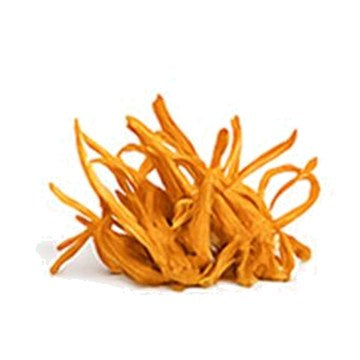
| Cordyceps | Cordyceps sinensis, C. militaris | Thin orange or brown stalks | Small exercise trials |
| Chaga | Inonotus obliquus | Black crust on birch | Almost no controlled trials |
| Maitake | Grifola frondosa | Frilly grey-brown clusters | Small studies in specific patient groups |
| Tremella | Tremella fuciformis | Translucent white frills | One trial on memory complaints |
| Shiitake | Lentinula edodes | Brown cap, pale stem | Mainly nutrition research |
Lion's Mane
Lion's Mane looks like a white pom-pom of hanging spines and tastes mild and slightly sweet, a bit like crab. It contains two families of compounds that interest researchers: hericenones, found in the fruiting body, and erinacines, found mostly in the mycelium. In lab and animal work, both have been linked to nerve growth factor, a protein involved in maintaining nerve cells.
Human trials are few and small. In a 2009 trial of 30 Japanese adults aged 50 to 80 with mild cognitive impairment, the group taking 3g a day of tablets made almost entirely of dried Lion's Mane scored higher on a cognitive scale than the placebo group at weeks 8, 12 and 16. Four weeks after stopping, their scores fell again (Mori et al., 2009).
A 2023 pilot study at Northumbria University gave 41 healthy adults aged 18 to 45 either 1.8g of Lion's Mane or a placebo. An hour after the first dose, the mushroom group was quicker on one attention test. After 28 days there was a trend towards lower self-reported stress, but it fell just short of statistical significance, and several other measures showed no difference (Docherty et al., 2023). Our Lion's Mane guide covers these trials in more detail.
Reishi
Reishi has a varnished, red-brown cap and a bitter, woody taste, so almost nobody cooks it. People take it as tea, tincture or extract. Its two main compound groups are triterpenes, which cause most of the bitterness, and polysaccharides including beta glucans.
The best-known human trial is a 2005 study of 132 people in China with neurasthenia, a diagnosis covering long-term fatigue, poor sleep and low mood. Those taking 1,800mg of a Reishi polysaccharide extract three times a day for eight weeks reported less fatigue and a greater sense of well-being than the placebo group (Tang et al., 2005). See our Reishi guide.
Cordyceps
Wild Cordyceps sinensis grows out of moth larvae high in the Himalayas. Supplements use lab-grown strains such as Cs-4 or the related species Cordyceps militaris, which is where most of the compound cordycepin is found.
The trials have looked at exercise. In a 2010 study at the University of California, Los Angeles, 20 healthy adults aged 50 to 75 took 333mg of Cs-4 three times a day for 12 weeks. Their metabolic threshold on a cycling test rose by about 10%, the placebo group showed no change, and peak oxygen uptake did not change in either group (Chen et al., 2010). A 2017 study gave 28 young adults 4g a day of a mushroom blend containing C. militaris. It found no differences after one week, then some differences in oxygen uptake after three weeks among the ten people who carried on (Hirsch et al., 2017). More in our Cordyceps guide.
Chaga
Chaga does not look like a mushroom at all. It is a hard, charcoal-black mass on the side of a birch tree, rusty orange inside, and it tastes earthy, a little like black tea. People brew it or take it as an extract. Interest centres on its polyphenols and on betulinic acid, which Chaga draws from its birch host, and on antioxidant activity measured in the lab. There are almost no controlled human trials. It is also very high in oxalates, which matters for anyone with kidney problems (see the safety section below). Read our Chaga guide.
Maitake
Maitake grows in big, frilly clusters of grey-brown fronds at the base of oak trees. It tastes rich and slightly peppery and is very good roasted. Its best-studied compound is a beta glucan fraction called the D-fraction. Human research is limited to small studies in particular groups. The dose was 3mg per kilogram of body weight twice a day, and there was no placebo group. Our Maitake guide has more.
Tremella
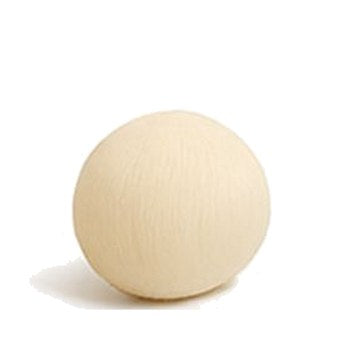
Tremella, also sold as snow fungus or white jelly mushroom, looks like a ball of translucent white frills. Simmered in Chinese sweet soups, it turns soft and jelly-like. Its polysaccharides hold a lot of water, which is why it turns up in skincare as well as supplements. In a 2018 Korean trial, 75 adults with subjective memory complaints took 600mg or 1,200mg of Tremella extract a day, or a placebo, for eight weeks. The Tremella groups reported fewer memory complaints and scored higher on some short-term memory tests (Ban et al., 2018). That is one trial, and it needs repeating by other teams. See our Tremella guide.
Shiitake and turkey tail
Shiitake is one of the most widely eaten mushrooms in the world, and most research on it is about nutrition: cooked shiitake provides fibre, copper, selenium and B vitamins. Turkey tail is a thin, striped bracket fungus you can find on dead wood in British woodland.
The compounds inside functional mushrooms
Beta glucans get the most attention. They are chains of glucose in the fungal cell wall, studied most in Maitake, Reishi, shiitake and turkey tail. Oddly, the beta glucans that hold authorised UK health claims come from oats and barley, not from any mushroom.
- Other polysaccharides, such as Tremella's water-holding ones and the protein-bound polysaccharides in turkey tail
- Triterpenes, the bitter compounds in Reishi, which dissolve poorly in water, so some Reishi products add an alcohol extraction
- Hericenones and erinacines, found only in Lion's Mane
- Cordycepin, found mainly in Cordyceps militaris
- Polyphenols, abundant in Chaga
- Ergothioneine, an amino acid the human body cannot make and mushrooms contain in unusually high amounts
How much of each compound ends up in your mug or gummy depends on the species, how it was grown, which part of the fungus was used and how it was extracted. A 2021 review in the International Journal of Molecular Sciences named this lack of standardisation as one of the main reasons mushroom studies are so hard to compare. It found that even batches from the same manufacturer can differ (Venturella et al., 2021).
Functional mushroom benefits: what the evidence does and does not show
Search for functional mushroom benefits and you will find promises about focus, memory, energy, sleep, immunity and a longer life. The published research is far more modest. We have sorted it into two piles.
What the evidence shows
- Whole mushrooms are a good source of fibre and several nutrients. In a 2018 crossover study, 32 healthy adults who ate white button mushrooms twice a day for ten days had heavier stools and a different mix of gut bacteria than when they ate meat instead (Hess et al., 2018). The authors said more work is needed to know what that shift means for health.
- Extracts of Lion's Mane, Reishi, Cordyceps and Tremella produced measurable differences in the small placebo-controlled trials described above.
- Most extracts were well tolerated in those trials, with few side effects over periods of up to 16 weeks.
What the evidence does not show
- No large, long-term trial shows that any functional mushroom prevents, treats or cures a disease.
- The trials are small, usually between 20 and 130 people, and most have not been repeated by independent teams.
- A result in older adults with mild cognitive impairment does not automatically apply to healthy people in their twenties.
The Venturella review lists the problems that keep coming up: small samples, missing placebo groups, little replication and patchy reporting of side effects. It also notes that supplement companies often cite lab and animal studies behind their product claims.
One question nobody has answered yet is how the doses in the trials translate to everyday products. The Lion's Mane trials used 1.8g to 3g a day of one specific preparation, and the Reishi trial used 5.4g of a particular extract. Most blended products contain less of each mushroom, made a different way, and no trial has tested whether those smaller amounts do anything measurable. We don't know, and we would rather say so.
Why Panax Ginseng often sits alongside mushrooms
Panax Ginseng, also called Korean or Asian ginseng, is a root rather than a fungus, but it comes from the same East Asian tradition and is often blended with mushrooms. Its main compounds are called ginsenosides. A 2010 Cochrane review of ginseng and cognition found nine trials, mostly in healthy volunteers. It concluded there was no convincing evidence of a cognitive effect in healthy people, and no serious side effects were reported (Geng et al., 2010). Our Panax Ginseng guide goes into the newer studies.
How to take functional mushrooms
Cooking whole mushrooms is the only way to get all the fibre, because extraction strips most of it out. Sauté shiitake or Lion's Mane in olive oil with onions, roast maitake until the edges crisp, or tear Lion's Mane into strips and fry it in butter with a splash of soy sauce as a meat swap. Button and chestnut mushrooms are the cheap everyday option.
For the concentrated forms:
- Teas, the traditional route for Reishi and Chaga, simmered slowly
- Mushroom coffee, usually instant coffee with Lion's Mane or Chaga powder, which still contains caffeine
- Powders stirred into smoothies, porridge, soups or hot chocolate
- Tinctures, liquid extracts often made with alcohol
- Capsules, which have no taste
- Gummies, a fixed amount in a chewable form (check the sugar and the extract listed for each mushroom)
Most of the trials above ran for four to 16 weeks. If you want to see how a product suits you, take it daily for at least a month, jot down how you feel, and stop if anything disagrees with you.
How to read a mushroom supplement label
- Extract or powder. Powder is the dried mushroom, ground. An extract has been processed with hot water, alcohol or both to break down the tough chitin cell walls and concentrate the compounds.
- Extract ratio. A 10:1 ratio means 10kg of dried mushroom went into 1kg of extract. The ratio only means something alongside the amount per serving.
- Fruiting body or mycelium. The fruiting body is the part you would recognise as a mushroom. Mycelium is the root-like network, often grown on grain, and some mycelium products carry a lot of leftover grain starch. The label should say which you are getting.
- Named amounts. Look for each mushroom listed with its own amount. A "proprietary blend" can hide very small doses.
- Beta glucan content. A stated beta glucan percentage tells you more than a vague "polysaccharides" figure, because starch counts as a polysaccharide too.
- Testing and origin. Mushrooms absorb heavy metals from their growing medium, so a reputable brand should be able to tell you where its mushrooms were grown and how batches are tested.
- Health claims. A UK mushroom product that promises to treat anxiety, fight infection or sharpen your memory is breaking the rules. Treat it as a warning sign.
Functional mushrooms in the UK: the rules
In Great Britain, mushroom supplements are sold under the Food Supplements (England) Regulations 2003 and the matching rules in Scotland and Wales. They are regulated as food, by the Food Standards Agency, Food Standards Scotland and local trading standards. Nobody licenses them or tests before sale whether they work. A product that claims to treat or prevent an illness can be classed as an unlicensed medicine by the Medicines and Healthcare products Regulatory Agency (MHRA), which is why legitimate UK brands never say their mushrooms cure anything.
Health claims on food are controlled by the GB Nutrition and Health Claims Register. When we checked on 26 September 2026, no health claim was authorised for Lion's Mane, Reishi, Cordyceps, Chaga, Maitake, Tremella or Panax Ginseng. Claims for plant ingredients such as ginseng have sat "on hold" since 2010 without a full assessment. When you see an authorised claim on a UK mushroom product, it will belong to an added vitamin or mineral, for example "vitamin B6 contributes to normal psychological function" or "zinc contributes to normal cognitive function".
UK labels must list the ingredients and the amount per daily serving, and warn you not to exceed the stated dose. You can buy functional mushrooms in health food chains and pharmacies, in supermarkets (mostly as mushroom coffee and powders), fresh from UK growers at farmers' markets, and online. Overseas sellers shipping direct are not always held to the same labelling standard.
The NHS does not publish guidance on functional mushrooms as such. Its general advice on herbal remedies and supplements is to tell a GP or pharmacist what you take, particularly if you are pregnant, take prescription medicines or have a health condition.
Safety: who should check with a GP or pharmacist first
Culinary mushrooms are safe for most people. Concentrated extracts are a different matter, and these groups should ask for advice before starting:
- Pregnancy and breastfeeding. There is not enough safety data for any of these extracts, or for Panax Ginseng, so the usual advice is to avoid them.
- Blood thinners such as warfarin. Reishi has been reported to affect clotting. There is a published case of a raised INR, a measure of how long blood takes to clot, in someone taking warfarin with a Maitake extract (Hanselin et al., 2010). Ginseng has also been reported to interact with warfarin.
- Diabetes medicines. Maitake, Reishi, Chaga and ginseng have all shown effects on blood sugar in lab or animal studies, which could add to glucose-lowering drugs.
- Blood pressure medicines. Reishi has been reported to lower blood pressure.
- Immunosuppressants and autoimmune conditions. Several mushroom extracts act on immune cells in lab studies, so transplant recipients and people with conditions such as lupus or rheumatoid arthritis should ask first.
- Kidney stones or kidney disease. Chaga is extremely high in oxalates. A 72-year-old woman in Japan developed kidney failure after taking four to five teaspoons of Chaga powder a day for six months (Kikuchi et al., 2014).
- Liver problems. There are rare case reports of liver injury linked to Reishi powder, including one fatal case in Thailand (Wanmuang et al., 2007).
- Planned surgery. Surgical teams commonly ask patients to stop herbal supplements, including mushroom extracts and ginseng, about two weeks before an operation. Tell them what you take.
- Mushroom allergy. If eating mushrooms gives you a reaction, avoid the supplements too. These products are also made for adults, not children.
The side effects reported most often are mild: an upset stomach, and with Reishi, dry mouth, dizziness or an itchy rash. Ginseng can disturb sleep in some people, especially alongside caffeine.
How functional mushrooms appear in Innooova products
Our StarShroooms gummies put six functional mushrooms and Panax Ginseng into one blackcurrant gummy that is vegan and caffeine free. Two gummies a day contain:
- Reishi as a 20:1 extract
- Chaga as a 10:1 extract
- Maitake as a 10:1 extract
- Lion's Mane as a 2:1 extract
- Cordyceps sinensis powder
- Tremella polysaccharides
- Full-spectrum Panax Ginseng
- 12mg pantothenic acid (vitamin B5), 200% of the nutrient reference value
- 100µg iodine, 67% of the nutrient reference value
Because nothing is authorised for the mushrooms or the ginseng, the claims on our pack come from the vitamin and the mineral. Pantothenic acid contributes to the reduction of tiredness and fatigue and to normal mental performance. Iodine contributes to normal cognitive function.
To try the format first, the StarShroooms Trial Pack has 10 gummies, about five days' worth, for £4.99. If Tremella is the one you are curious about, GlowShroooms pairs it with vitamin C and zinc, and vitamin C contributes to normal collagen formation for the normal function of skin. The whole mushroom gummies range is in one place, and the studies behind each ingredient are on our research page.
FAQs
What do functional mushrooms do for you?
Honestly, less is proven than the marketing suggests. As food, mushrooms provide fibre, B vitamins, potassium, copper and selenium. As extracts, a handful of small trials have recorded differences on specific measures, such as cognitive scores in older adults taking Lion's Mane and fatigue ratings in people taking Reishi. No large trial shows that any functional mushroom prevents or treats a disease, and none has an authorised UK health claim.
What is the best functional mushroom?
There isn't one. Each has been studied for different things, and none has strong evidence behind it. Lion's Mane has the most human trials on cognition and mood, Cordyceps has been tested in exercise studies and Reishi in fatigue, while Chaga has almost none. Whichever you choose, check the extract type and amount on the label and buy from a UK seller that lists every ingredient with its dose.
Are functional mushrooms considered a drug?
No. In the UK they are sold as food or food supplements, regulated by the Food Standards Agency and trading standards rather than licensed as medicines. They contain no psilocybin, so they are not controlled drugs either. If a seller claims its mushrooms treat or cure an illness, the MHRA can treat the product as an unlicensed medicine.
What are the best functional mushrooms available in the UK?
The six most common in UK shops are Lion's Mane, Reishi, Cordyceps, Chaga, Maitake and Tremella, with shiitake and turkey tail also widely sold. Fresh Lion's Mane, shiitake and maitake are grown on UK farms. For supplements, look for a UK-based seller, extracts rather than plain powder, the part of the mushroom stated, and each mushroom named with its own amount.
Can you cook with functional mushrooms?
Some of them. Shiitake, maitake and Lion's Mane are excellent to eat: try Lion's Mane torn into strips and fried in butter, or maitake roasted until crisp. Tremella goes into sweet soups in Chinese cooking. Reishi and Chaga are too tough and bitter to eat, so they are brewed as tea or taken as extracts and powders.
How long do functional mushrooms take to work?
There is no reliable answer, because the effects themselves are not well established. Most trial measurements were taken after four to 16 weeks of daily use, although the Northumbria Lion's Mane study also tested a single dose after 60 minutes. If you try a supplement, take it every day for at least a month at the stated dose and note how you feel.
Can I take more than one functional mushroom at a time?
Many products combine several mushrooms, and the trials report few side effects for each species on its own. Almost no studies have tested combinations, though, and mixing products can mean doubling up on the same mushroom. If you take prescription medicines, especially blood thinners, diabetes medicines or immunosuppressants, check with a pharmacist before combining anything.
Are functional mushrooms safe to take every day?
For most healthy adults, the extracts tested in trials were well tolerated for up to 16 weeks, with mild stomach upset the most common complaint. Longer-term data is limited. Avoid them in pregnancy and breastfeeding, and speak to a GP or pharmacist first if you take warfarin, diabetes or blood pressure medicines or immunosuppressants, have kidney or liver problems, or have surgery coming up.
Is it better to eat mushrooms or take a supplement?
They do different jobs. Whole mushrooms give you fibre and nutrients that extracts lose in processing, and their value as food is well established. Supplements give you a measured amount of specific compounds, which is the form most trials tested, but the evidence behind them is thinner. Plenty of people do both.
Are functional mushrooms good for gut health or blood sugar?
Whole mushrooms contain fibre that gut bacteria feed on, and a 2018 study found that eating button mushrooms twice a day changed the mix of gut bacteria in 32 adults. What that means for health is not yet clear. Research on mushrooms and blood sugar comes mostly from animal and lab studies, and no mushroom has an authorised UK claim on either topic.